The Role of Hot Sauce in the European Food Table in 2026
The Role of Hot Sauce in the European Food Table in 2026
Introduction: The Spicy Revolution in European Kitchens
The year 2026 should be seen as a turning point in the evolution of European food tastes. Hot sauce, which was once found only on the shelves of Asian grocery stores or Mexican restaurants, has now become one of the main pillars of the European household dining table. In 2026, the European hot sauce market was valued at approximately $908.47 million**, and it is projected to reach $1.12 billion by 2034, representing an annual growth rate of 2.75%. This dramatic growth reflects not only changing consumer tastes but also a deep transformation in the culinary culture of the old continent.
Why Did Hot Sauce Secure Its Place on the European Table?
1. Growing Popularity of Ethnic Foods
One of the most important drivers of hot sauce growth in Europe is the significant increase in interest in ethnic and international foods. According to a Food Service Europe report, consumption of Mexican and Asian foods in Europe increased by about 25% between 2019 and 2023. These foods inherently use hot sauce as one of their main ingredients, and this has increased demand for products such as Tabasco and Sriracha.
2. Changing Tastes of the New Generation
Young European consumers, especially Generation Z and millennials, have a different approach to flavor and taste. In the UK, nearly 23% of Generation Z add hot sauce to their traditional Sunday meal, and 19% use chili oil. Surveys also show that 35% of London residents add hot sauce to their meals at least once a week, and London is known as the hot sauce capital of the UK.
3. The “Swicy” Trend: Combining Sweet and Spicy
One of the most important trends in the European sauce market in 2026 is the combination of sweet and spicy flavors under the name “Swicy.” In Italy, this trend has crossed the Mediterranean and can be seen in combinations such as Roman-style pizza dough with honey and endive, or ice cream with dark chocolate and chili. In Germany, too, chili with chocolate has gone from a strange product to a standard one.
The Key Role of Hot Sauce in Different European Countries

United Kingdom: The Pioneer of the European Market
With a 20.1% share of the European hot sauce market in 2026, the UK is the largest market on the continent. The supermarket chain Tesco sold an extra 2.5 million bottles of hot sauce in one year, showing growth of nearly 20%. Sriracha sales alone increased by about 65%. The value of the UK hot sauce market is now estimated at more than £200 million.
Interestingly, hot sauce consumption in the UK has gone beyond the kitchen: one in 12 consumers admitted to adding hot sauce to their food on public transport, and one in 14 has done so at a wedding.
Germany: The Fastest-Growing Market
Germany, with an annual growth rate of 10.2%, is experiencing the fastest growth in the European hot sauce market. The size of the German hot sauce market in 2025 was about $256.5 million, and it is projected to reach $372.9 million by 2034. The German consumer no longer settles for just Tabasco; Sriracha from Thailand, gochujang from Korea, and chili crisp from China have now found their place on German supermarket shelves.
It is noteworthy that spiciness in Germany has gone beyond sauces and snacks and has penetrated basic foods. Spicy burger buns with 11% jalapeٌo, jalapeٌo mustard, and even chili chocolate are sold in the German market.
France: A Late but Rapid Discovery
France, which traditionally leaned toward mild foods, has seen significant growth in hot sauce consumption in recent years. Hot sauce sales in France increased by 30% over five years. The size of the French hot sauce market in 2025 was about $180 million, and it is expected to reach **$265.1 million by 2034 with an annual growth rate of 4.26%. Piment d’Espelette is known as the spiciest traditional French seasoning, with a rating of 4 on the Scoville scale—mild but aromatic.
Italy and Spain: A Link Between Tradition and Innovation
With its rich heritage of Calabrian chili, Italy is known as the beating heart of chili in Europe. The Calabria region has the highest internet searches related to chili in Italy. The Italian hot sauce market is expanding at an annual growth rate of about 6.1%. Innovative combinations such as blood orange glaze and Calabrian chili for traditional meats are an example of the fusion of tradition and innovation in Italian cuisine.
In Spain, the hot sauce market was worth about $91.9 million** in 2025 and is projected to reach $135.4 million by 2034. Brands such as Go-Tan, by offering Sriracha and Sriracha Mayo in the Spanish market, are seeking to turn Sriracha into an everyday sauce for Spanish consumers.
The Cultural Diversity of Hot Sauce in Europe
Harissa: A Mediterranean and North African Bridge
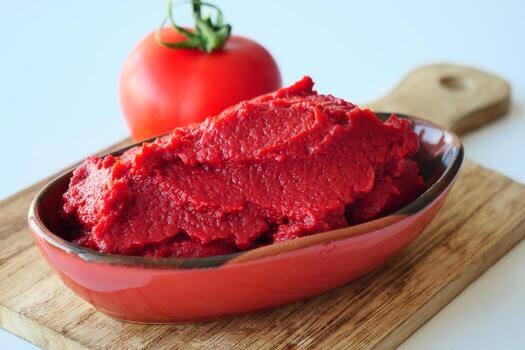
Harissa, the Tunisian chili paste, is one of the most successful spicy products in the European market. The global harissa sauce market in 2026 was valued at about $223 million, and it is projected to reach **$430.5 million by 2036 with an annual growth rate of 6.8%. Harissa has been welcomed due to its high versatility in cooking, from seasoning and flavoring to marinades and ready meals.
The brand Belazu in the UK has offered an interesting innovation and brought “Miso Harissa” to market, a combination of traditional North African harissa and Japanese red miso—a clear example of blending different food cultures into a single product.
Sriracha and Asian Sauces
Sriracha, as a symbol of Asian hot sauce, has found a special place in the European market. The brand Encona added a new Thai Sriracha to its collection in June 2026. Also in Spain, the brand Go-Tan, focusing on the growing popularity of Asian cuisine and the rise of table sauces as alternatives, introduced Sriracha and Sriracha Mayo.
The Impact of Health and Nutrition on Hot Sauce Popularity
One of the important factors in the widespread acceptance of hot sauce in Europe is the health benefits associated with chili consumption. Capsaicin, the active substance in chili, not only creates a burning sensation but also has positive health effects. Studies have shown that regular consumption of spicy foods is associated with a 12% reduction in the risk of death from all causes and a significant reduction in mortality from heart disease.
In addition, capsaicin can help with weight management. Research shows that capsaicin supplementation can reduce calorie intake by 70 kilocalories per meal. Since most hot sauces are very low in calories, they are considered an ideal option as a “flavor enhancer” for people seeking weight loss.
Industrial Innovations and New Products
The European hot sauce industry saw significant innovations in 2026. One of the most important trends is “Layered Flavour.” Instead of one-dimensional spicy flavors, European consumers are looking for complex combinations that blend heat with sweetness, sourness, smoky aroma, and umami. This new approach in product development allows brands to offer products tailored to European tastes—not merely copies of Asian or American sauces.
Some notable innovations include:
· Powdered hot sauce: The powdered hot sauce market in the European Union is projected to grow at an annual rate of 6% to 8% and will see significant growth by 2035.
· Processed sauces: Combining heat with fruits such as mango, pineapple, and strawberry under the “Fricy” trend (Fricy = Fruity + Spicy).
· Diverse packaging: There is almost equal demand for bulk and single-serve packaging in the European market.
Challenges and Obstacles Ahead
Legal and Regulatory Restrictions
The European Union has strict regulations for food additives and flavorings. The ingredients used in powdered hot sauce must comply with the EU list of permitted additives. Future changes also include mandatory front-of-pack nutrition labeling and stricter sustainability reporting requirements.
Raw Material Supply Constraints
Climate change can affect chili production in key regions and worsen supply constraints. Hot sauce producers in the Caribbean have warned that extreme weather conditions may reduce supply.
Health Concerns
Despite the health benefits, excessive consumption of hot sauces can be problematic for people with digestive issues such as irritable bowel syndrome or acid reflux. Consumers should also be mindful of the amount of salt and added sugar in some commercial products.
Future Outlook
The future of hot sauce in Europe looks bright. Online sales of hot sauce are experiencing the fastest growth among distribution channels, with an annual growth rate of 12.3%. Also, economic growth driven by fast food inspired by global cuisine and increased health awareness will be key drivers of this market’s development.
It is predicted that European brands will focus more on brand storytelling and transparency about the origin of ingredients in the coming years. European consumers place greater value on products that tell a cultural story and local traditions.
Conclusion
In 2026, hot sauce has transformed from a marginal condiment into an indispensable element of the European dining table. This transformation is the result of a combination of several key factors: changing tastes of the new generation, the popularity of international foods, awareness of the health benefits of chili, and industrial innovations that offer products tailored to European tastes. From London to Rome, from Berlin to Madrid, spiciness is no longer a “foreign” flavor but part of modern European culinary identity. With the market projected to grow from $908 million to more than $1.12 billion by 2034, it seems the European love for spice will only get hotter.
For more info call us
Nonadshop.com
Parvisico.com